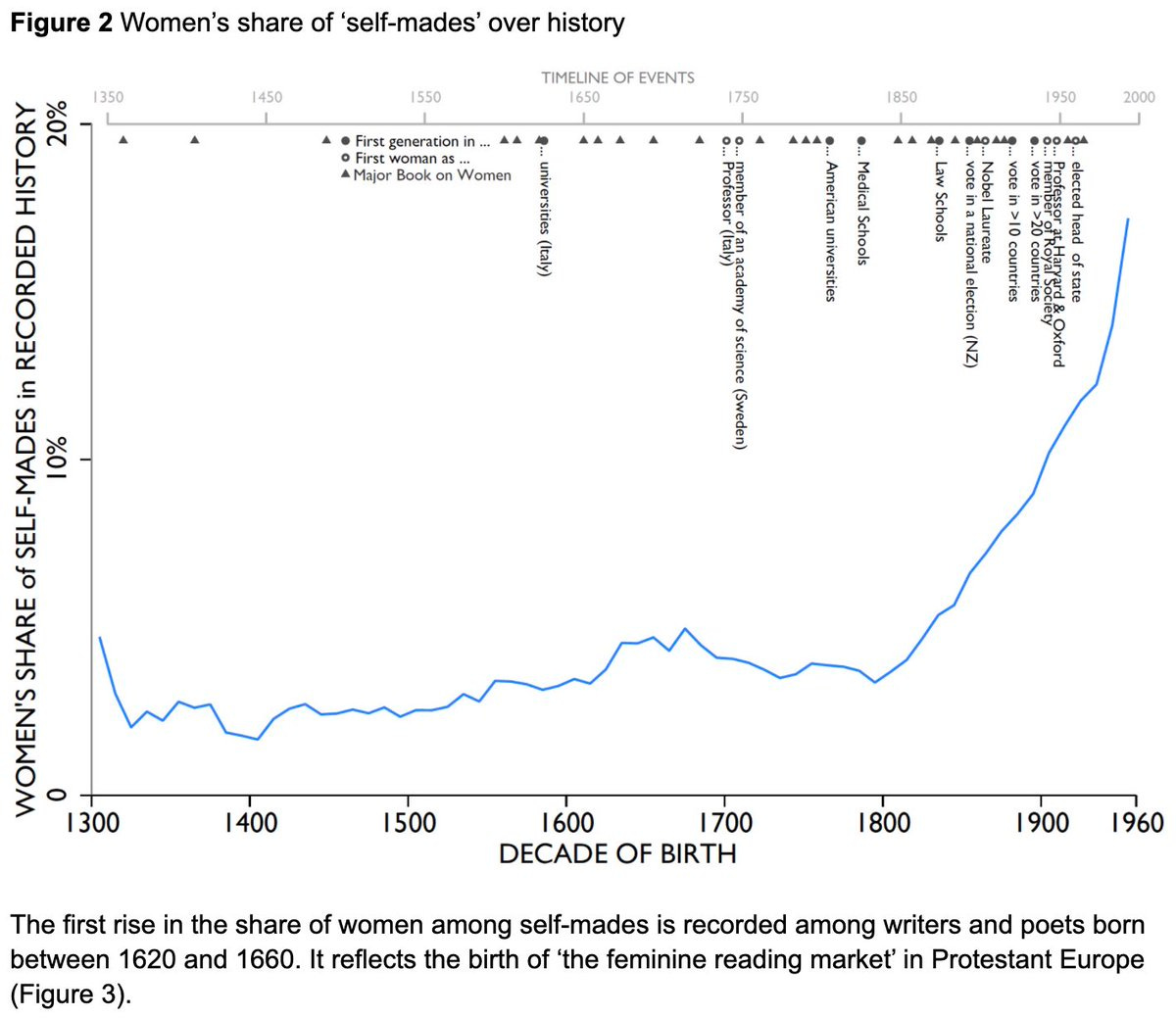
Alice Evans writes a great newsletter about women, equality, and the differences around the world. Right before Christmas, she published an issue on just how unequal medieval Europe was for women. The stats she draws on are quite startling:
- 90% of self-made elites were men
- 98.5% of medical practitioners were men
- Monks outnumbered nuns nearly 5 to 1
- Between the years 1000 and 1800 nearly 59,000 men were educated at European universities, but only 108 women
And those are just the easily quotable statistics.
I haven’t posted here for the last three years, and sometimes I even doubt keeping this site live. But, honestly, it’s never far from my mind. I’ve read numerous books and articles and have various drafts for various rulers throughout history.
But, honestly, it’s that article that keeps me from just throwing in the towel altogether. Who are the women who break through? Who are those exceptional women? How do they make themselves known? What are the behind-the-scenes ways that women make their power known, even if they’re not going to show up in the official statistics?
Historians Gies and Gies add that messages may have been tailored for different audiences. Monks had taken a vow of chastity and needed some encouragement to shun 50% of the population. When religious authorities actually addressed women, they were often more positive. Tertullian his female audience as “handmaids of the living God, my companions and my sisters.”
That paragraph combined with a chart she shows in the newsletter along with the statement that women’s position in Europe really takes off when women, specifically Protestant women, start reading enough that they constitute a market.

And that permeates her newsletters: what media people have access to makes a difference. What examples of other women are they shown? What does the world look like? What could the world look like?
And so expect to see more here going forward, be it books, summaries of biographies, or just me rambling about things. Because women have always been here. And they will always be here. Whether or not that makes the historical record.